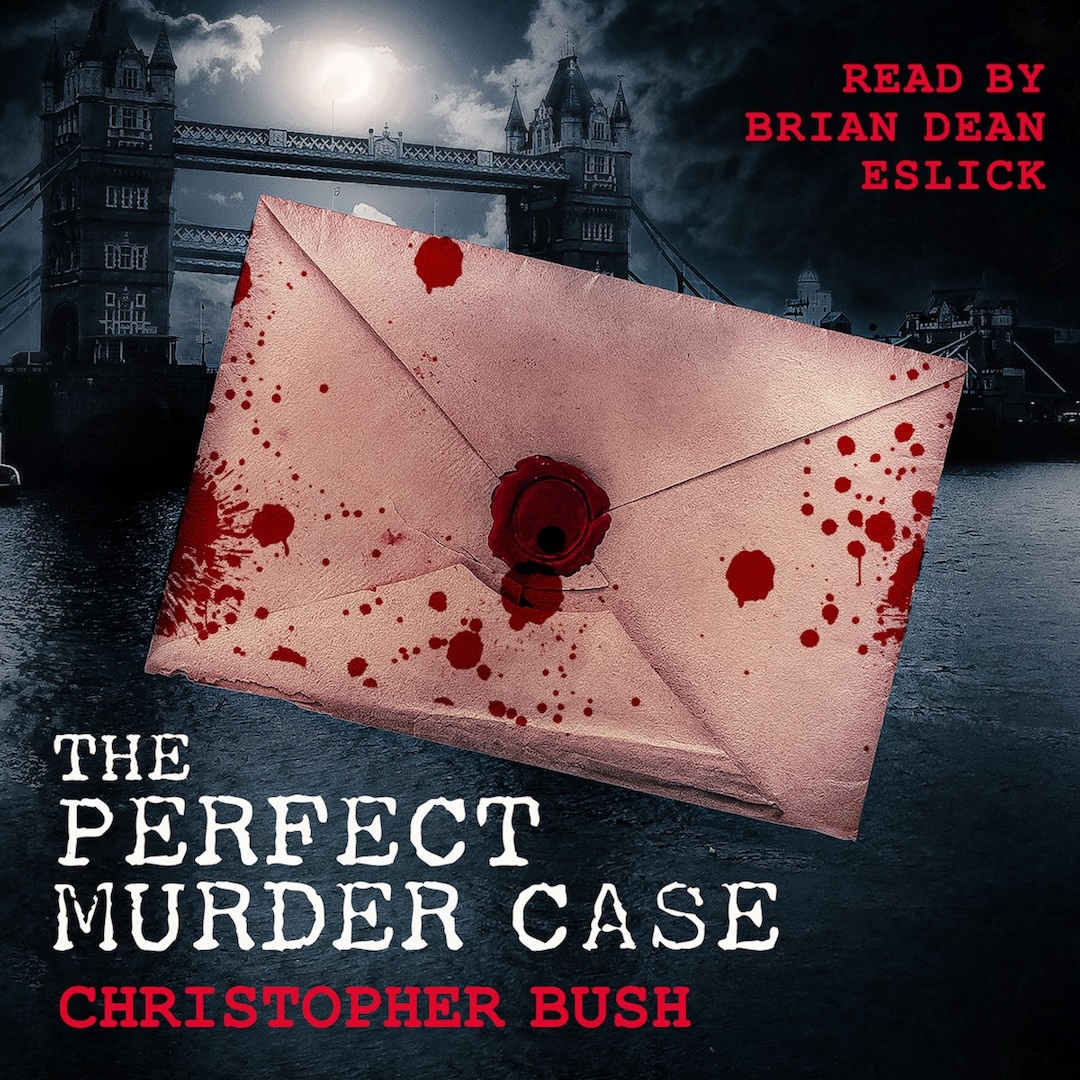
He named the night. He named the district. He dared Scotland Yard to stop him. The letters arrive at every newspaper in London, unsigned but for a single borrowed name. Their promise is simple and outrageous: on a specified date, in a specified quarter of the city, a murder will be committed—and it will be perfect. No arrest. No evidence. No possibility of failure.
The police call it a hoax. The public calls it entertainment. And on the appointed night, a wealthy man whom almost nobody mourns is found dead in his own home, precisely as advertised. The room is immaculate. There is nothing to find. A celebrated detective, newly coaxed out of retirement to head a private investigative branch, takes up the case alongside an eccentric friend whose mind runs in unfashionable directions. Together they discover what the official inquiry cannot admit: the killing was never the point. The letters, the deadline, the theatrical flourish—all of it was staged for an audience, and the police have been invited to walk into a trap of someone else's design. Every suspect has an alibi that cannot be broken.
And the answer, when it comes, leads across the sea to a wind-scoured island where the storm is closing in—and the hunter may not be the one doing the hunting. A classic Golden Age puzzle of nerve, vanity, and misdirection: fair, fiendish, and impossible to put down.